
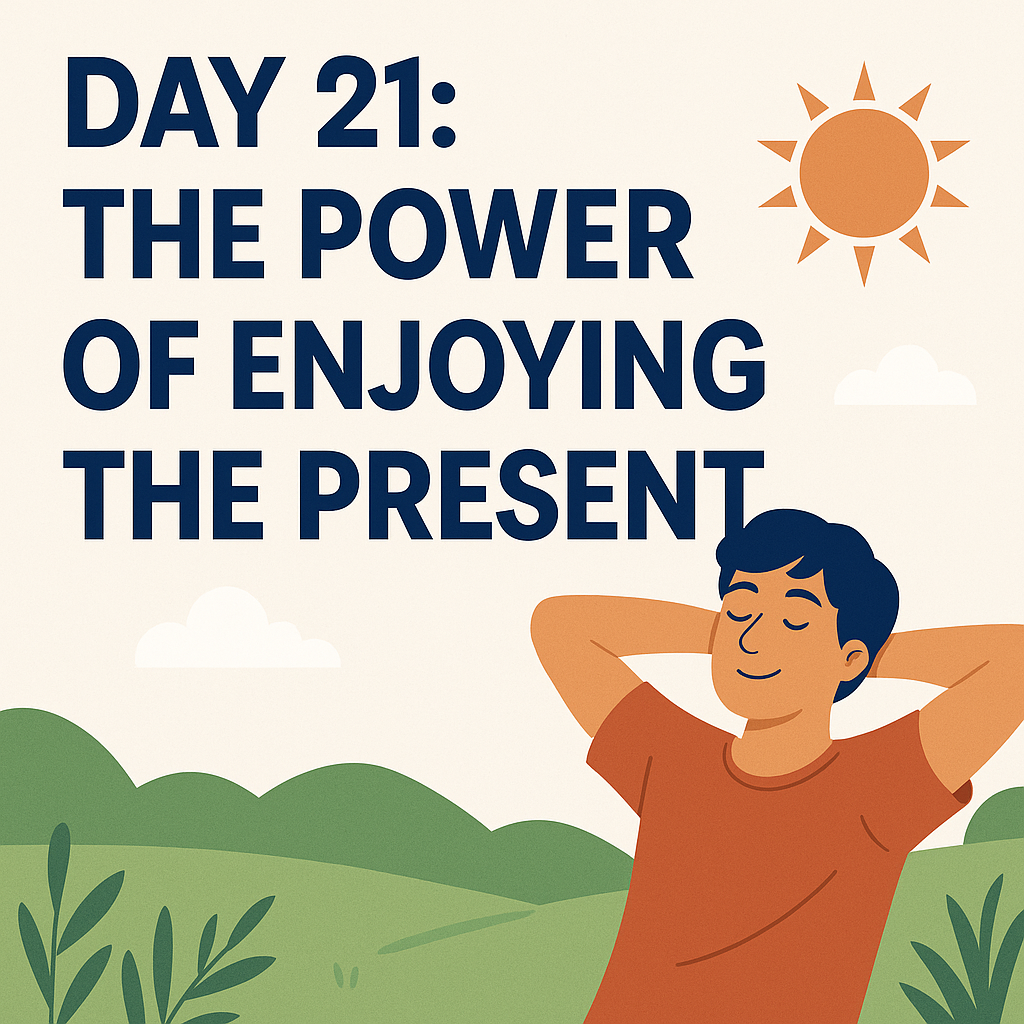
How to Build Emotional Resilience in Everyday Life
Emotional resilience is what allows you to bounce back from setbacks, adapt to challenges, and keep moving forward when life gets tough. It doesn’t mean avoiding emotions or pretending everything is fine — it means learning to face difficulty with strength, awareness, and self-compassion.
And the good news? Resilience isn’t something you’re born with or without. It’s a skill — and like any skill, it can be developed and strengthened over time through intentional habits and mindset shifts.
Here’s how to build emotional resilience in your daily life — one step at a time.
Understand That Resilience Is Not About Being “Tough”
Resilient people don’t suppress their emotions or force themselves to “stay positive.” Instead, they acknowledge what they feel, take time to process it, and choose how to move forward.
True resilience is rooted in honesty, adaptability, and the belief that healing is possible, even when it takes time.
Resilience says:
“I can feel this pain — and I can still take care of myself.”
“I didn’t expect this setback — but I trust myself to handle it.”
Strengthen Your Self-Awareness
Resilience starts with knowing yourself. When you’re aware of your patterns, triggers, needs, and strengths, you’re better equipped to navigate emotional storms.
Practice checking in with yourself daily:
- How am I feeling right now?
- What thoughts are running through my mind?
- What do I need at this moment — physically or emotionally?
Self-awareness builds emotional clarity — and clarity builds stability.
Build a Daily Routine That Grounds You
Structure supports resilience. A simple, intentional daily routine gives you something to hold onto when everything else feels uncertain.
Consider:
- Morning quiet time (breathing, journaling, reading)
- Movement or stretching
- Consistent meals and hydration
- Daily check-ins with yourself
- Evening wind-down without screens
These rituals create safety and predictability, helping you stay steady during emotional turbulence.
Learn to Regulate Your Nervous System
When you’re stressed, your body goes into fight, flight, or freeze mode. Learning to soothe your nervous system in these moments is a powerful form of resilience.
Try:
- Deep belly breathing (inhale 4, exhale 6)
- Putting your hand on your heart and grounding yourself
- Splashing cold water on your face
- Stepping outside for fresh air
- Humming or gentle rocking motions
These practices tell your body: You are safe. You are okay.
Accept That Discomfort Is Part of Growth
Emotionally resilient people don’t expect life to always be easy. They understand that pain is part of the process — and instead of avoiding it, they allow it, explore it, and grow through it.
This doesn’t mean rushing your healing. It means staying present with what’s real — and trusting that it won’t last forever.
Repeat to yourself:
I can feel uncomfortable and still move forward.
I don’t have to solve everything today.
Create a Support System
Resilience is not about doing it all alone. In fact, one of the strongest things you can do is ask for help when you need it.
Build a circle of support:
- Trusted friends or family
- A therapist or coach
- Online or local support groups
- People who listen without trying to fix you
Connection reminds you that you are not alone — and that others have walked through the fire too.
Focus on What You Can Control
When life feels chaotic, bring your attention back to what’s within your power. Resilient people stay grounded by focusing on their choices, not their circumstances.
You can’t control everything, but you can:
- Choose how you speak to yourself
- Choose how you care for your body
- Choose who you surround yourself with
- Choose your next step, even if it’s small
Small actions, repeated daily, build emotional strength over time.
Let Go of Perfectionism
Resilience doesn’t mean getting everything right. It means staying kind to yourself when things go wrong.
You will fall short. You will have setbacks. You will doubt yourself sometimes. That’s part of being human — not a failure of resilience.
Practice saying:
I don’t need to be perfect. I just need to keep showing up.
Self-compassion is the fuel that keeps resilience alive.
Reflect on Past Strength
You’ve already made it through hard things. Look back and remember what you’ve survived, learned, and overcome.
Make a “Resilience Record”:
- Write down 3 moments when you got through something difficult
- What helped you cope?
- What did you learn about yourself?
- How can you use that strength again today?
You are more resilient than you give yourself credit for.
Final Thought: Resilience Is a Practice, Not a Trait
Building emotional resilience is not about having all the answers or never falling apart. It’s about learning to hold yourself through the hard moments, to trust your capacity to heal, and to return to yourself — again and again.
You don’t have to rush. You don’t have to be perfect.
You just have to stay with yourself, gently, consistently, and with care.
That’s what resilience looks like. And you’re already building it — one breath, one choice, one day at a time.
Agora vou gera