
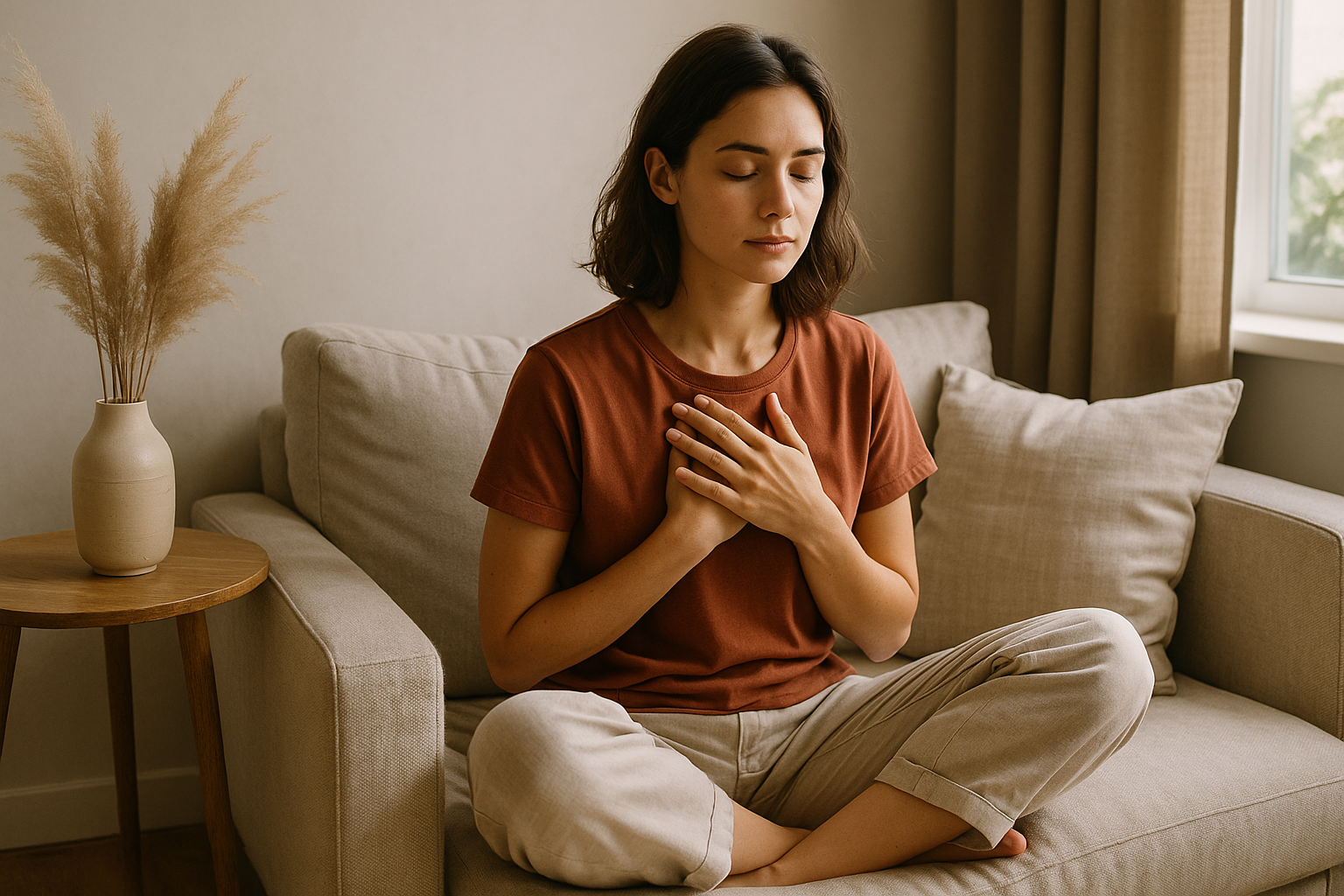
In today’s world, demands are everywhere — deadlines, expectations, responsibilities, and endless notifications. It’s easy to feel like there’s no time left just for you.
But space — time, energy, and quiet moments for yourself — isn’t a luxury. It’s a necessity for emotional health, mental clarity, and personal growth. Without space, you become reactive, depleted, and disconnected from what really matters.
Creating space doesn’t mean escaping your life. It means reclaiming pieces of it, moment by moment.
Here’s how to create meaningful space for yourself — even when life feels loud and full.
Why We Need Space (Now More Than Ever)
When you don’t have space:
- You lose touch with your emotions
- Your nervous system stays in “survival mode”
- You react instead of respond
- You feel constantly overwhelmed
- You forget who you are outside of your roles
But when you carve out space, you give yourself room to:
- Process your thoughts
- Feel your feelings
- Breathe more deeply
- Rest without guilt
- Remember what’s important to you
That space becomes your grounding point in a fast-moving world.
Step 1: Redefine What Space Means to You
Creating space is personal. For some, it means time alone. For others, it means silence, nature, creativity, or simply a break from responsibilities.
Ask yourself:
- What does “space” look and feel like to me?
- When do I feel the most clear, calm, or recharged?
- Where in my day do I crave more breathing room?
Your answers will guide the type of space you need.
Step 2: Start With Micro-Space Moments
You don’t need hours of solitude to feel more grounded. Start with small moments:
- 3 minutes of deep breathing before work
- 5 minutes of silence with coffee
- Sitting by a window between tasks
- Walking without headphones
- Closing your eyes and stretching in stillness
These moments add up. They remind your nervous system: I am safe. I can slow down.
Step 3: Set Gentle Boundaries Around Your Time
To create space, you have to protect it. That means saying no to things that don’t serve you — and yes to what nourishes you.
Try this:
- Block “space time” on your calendar (just like any meeting)
- Turn off notifications for 1–2 hours a day
- Set “do not disturb” time in the evening
- Practice saying: “I’m not available right now, but I’ll reconnect later.”
- Leave white space in your schedule — not every hour needs to be filled
Boundaries aren’t walls — they’re filters that keep your energy aligned.
Step 4: Create a Ritual That Centers You
Rituals anchor your space. They help you transition from noise to stillness, from reactivity to presence.
Examples:
- Journaling with music or candlelight
- Morning breathwork or gentle stretching
- Walking barefoot in your backyard
- Cleaning or organizing mindfully
- Drinking tea in silence
The goal isn’t productivity — it’s presence.
Choose one ritual and return to it daily. Let it be your home base.
Step 5: Design a Space That Supports You
Your environment affects your inner world. Even a corner of peace can have a big impact.
Create a calming area:
- Keep it clutter-free
- Add soft lighting, a cozy blanket, or your favorite scent
- Include a journal, book, or calming object
- Use it only for quiet, restorative moments
You don’t need a whole room — just a dedicated spot that says: This space is mine.
Step 6: Let Go of the Guilt
Many people struggle to create space because they feel guilty. They think it’s selfish, lazy, or unproductive.
But here’s the truth:
You cannot pour from an empty cup.
Creating space for yourself doesn’t take away from others — it allows you to show up more fully.
You’re not meant to be “on” all the time. You’re meant to rest, reset, and reconnect. And you’re allowed to do that without apology.
Step 7: Revisit and Adjust As Needed
Your needs will change. Some weeks, you’ll crave more stillness. Others, you’ll need more movement or connection.
Check in regularly:
- What kind of space do I need today?
- What’s draining me right now?
- What can I pause, cancel, or shift?
Give yourself permission to evolve. Space is a living practice, not a fixed routine.
Final Thought: You Deserve Room to Breathe
In a world that wants more of you every day, creating space is a revolutionary act. It’s how you reclaim your peace. Your joy. Your sense of self.
You don’t need hours. You don’t need permission. You just need a breath, a boundary, a quiet yes to yourself.
Because you matter — not just what you do.
And the more space you give yourself…
The more room you’ll find for everything that truly matters.