
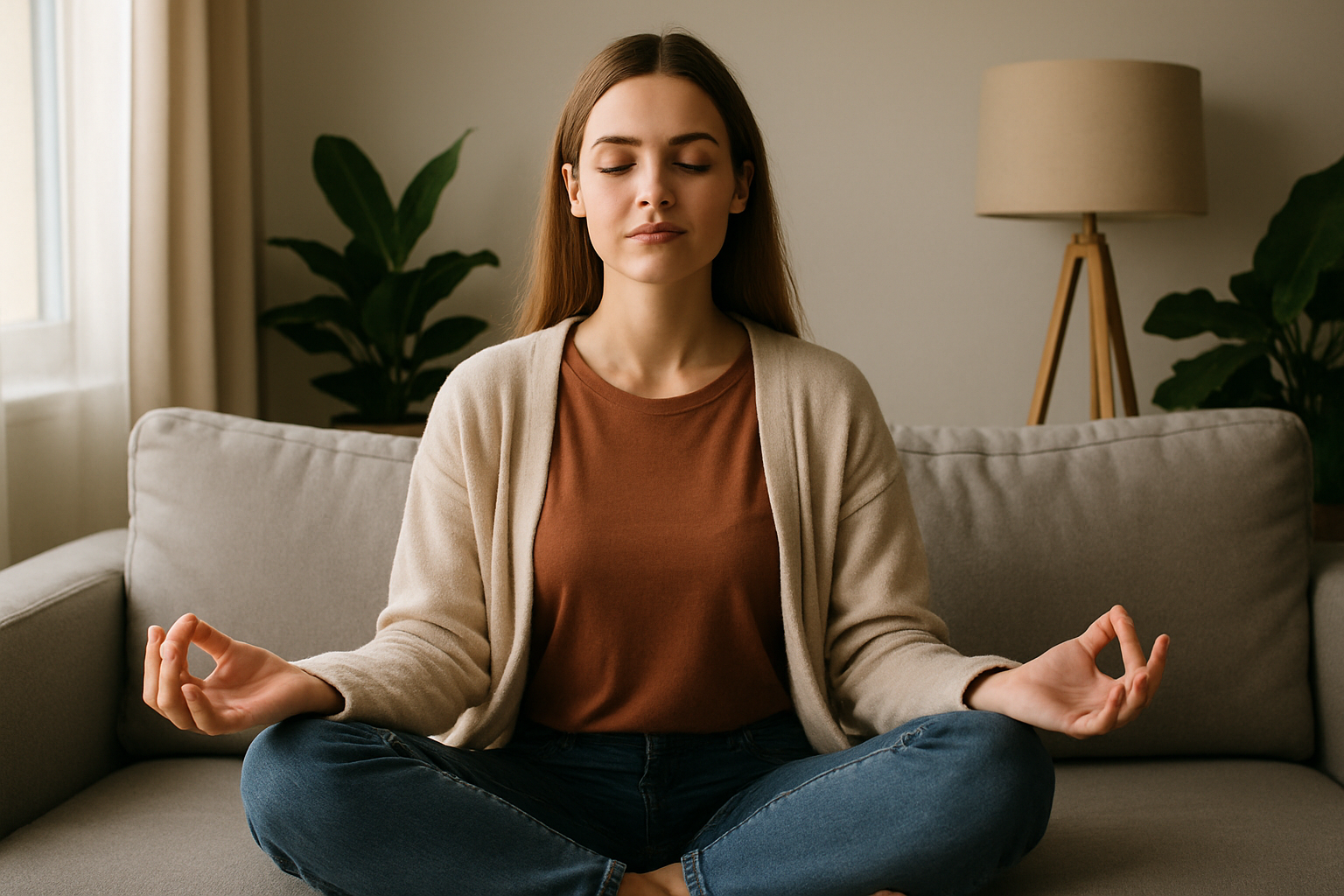
In the midst of everyday stress, uncertainty, and emotional highs and lows, achieving emotional balance can feel like an impossible goal. But emotional balance doesn’t mean you’re always happy or unaffected by life — it means you’re equipped to understand, manage, and respond to your emotions in healthy and constructive ways.
Let’s explore what emotional balance truly is, why it matters, and how you can begin building it in your daily life — with simple habits, mindful awareness, and a compassionate mindset.
What Is Emotional Balance?
Emotional balance is the ability to stay calm and centered even when emotions fluctuate. It’s not about suppressing feelings or pretending everything is fine. Instead, it’s about:
- Recognizing your emotions as they arise
- Understanding the message behind them
- Choosing how to respond, rather than reacting impulsively
In essence, emotional balance gives you the power to act from intention — not just instinct.
Why Emotional Balance Matters
When your emotions are out of balance, everything feels harder — decision-making, relationships, work, even your physical health.
But with emotional balance, you can:
- Handle stress more effectively
- Improve your relationships
- Make clearer, calmer decisions
- Experience more inner peace
- Reduce anxiety, irritability, and burnout
Just like physical health, emotional balance is something you can nurture with daily practices.
Step 1: Accept That All Emotions Are Valid
It’s common to label emotions as “good” or “bad.” Happiness and joy? Good. Anger and sadness? Bad.
But this mindset creates shame and suppression — which actually makes emotional balance harder.
Truth: All emotions are valid.
- Anger can point to a boundary being crossed
- Sadness can signal a need for rest or healing
- Fear can protect you from danger
- Joy can show what truly matters to you
Rather than fight emotions, start listening to them. They’re messengers — not enemies.
Step 2: Create Space to Feel
In a fast-paced, overstimulated world, it’s easy to avoid emotions. We stay busy, scroll, overwork, or distract ourselves. But emotions don’t disappear — they build up.
To find balance, you need moments of stillness to check in with yourself.
Try this:
- Sit in silence for 3–5 minutes each day
- Ask yourself, “What am I feeling right now?”
- Let the emotion come without judging it
- Name it: “I feel overwhelmed,” “I feel anxious,” “I feel calm”
Naming your emotions reduces their intensity and brings clarity.
Step 3: Practice Mindful Breathing
Your breath is one of the most powerful tools for emotional balance. When you breathe deeply and slowly, you activate the parasympathetic nervous system — your body’s natural calming response.
Try this simple breathing technique:
- Inhale through your nose for 4 seconds
- Hold for 4 seconds
- Exhale slowly through your mouth for 6–8 seconds
- Repeat for 1–3 minutes
Use this anytime you feel stressed, angry, anxious, or overstimulated.
Step 4: Check Your Self-Talk
How you speak to yourself impacts your emotional state.
If your inner voice is harsh, critical, or negative, it’s harder to stay balanced — especially in difficult moments.
Practice replacing self-judgment with compassion:
- Instead of “I can’t believe I messed up,” try “It’s okay to make mistakes. I’m learning.”
- Instead of “I’m too sensitive,” try “My emotions are valid, and they deserve care.”
Kindness toward yourself leads to more emotional stability and resilience.
Step 5: Move Your Body
Physical movement helps release emotional energy. Emotions are not just in your head — they’re stored in your body.
You don’t need a full workout to gain benefits:
- Go for a walk
- Stretch slowly
- Dance to your favorite music
- Do light yoga or tai chi
Even 10–15 minutes of movement can shift your mood and restore balance.
Step 6: Set Healthy Boundaries
One of the main causes of emotional imbalance is the lack of boundaries.
When you constantly say yes, ignore your needs, or take on too much, emotional overwhelm builds fast.
Here’s how to set healthy boundaries:
- Learn to say “no” without guilt
- Protect your time and energy
- Take breaks when you need to
- Limit exposure to toxic environments or people
Boundaries are not selfish — they’re self-respect in action.
Step 7: Let Go of Perfectionism
Trying to control everything or be perfect creates chronic stress and emotional exhaustion.
Emotional balance requires flexibility and self-forgiveness.
- Accept that not every day will feel great
- Know that emotions can be messy — and that’s okay
- Trust that it’s safe to pause, reset, and start again
Balance comes from flow, not force.
Step 8: Surround Yourself With Support
You don’t have to regulate emotions alone. Emotional balance thrives in safe, supportive environments.
- Talk to a friend you trust
- Join a support group or online community
- Consider therapy or coaching if needed
Vulnerability with the right people leads to healing and perspective.
Step 9: Nourish Yourself Holistically
Your emotions are deeply connected to your body’s overall state.
Support emotional balance with:
- Nutrient-dense meals
- Proper hydration
- Restful sleep
- Time outdoors
- Enjoyable hobbies
When your physical needs are met, your emotional regulation becomes easier.
Step 10: Make Emotional Balance a Daily Habit
Just like brushing your teeth or drinking water, emotional balance needs consistent attention.
Here are small habits you can do daily:
- Morning check-in: “How am I feeling today?”
- Midday pause: 2 minutes of deep breathing
- Evening reflection: Write one emotion you felt and how you responded
Over time, these practices create awareness, resilience, and peace — no matter what life throws at you.
Final Thought: Balance Is a Practice, Not a Destination
You don’t need to have it all figured out to be emotionally balanced. You just need to stay curious, compassionate, and committed to yourself.
Some days will be easier than others. Some emotions will feel heavy. That’s part of life — and part of growth.
Emotional balance doesn’t mean never struggling. It means learning to hold space for all parts of you — with grace.
You’re allowed to feel. You’re allowed to rest. And you’re allowed to keep showing up.
One breath, one moment, one choice at a time.