
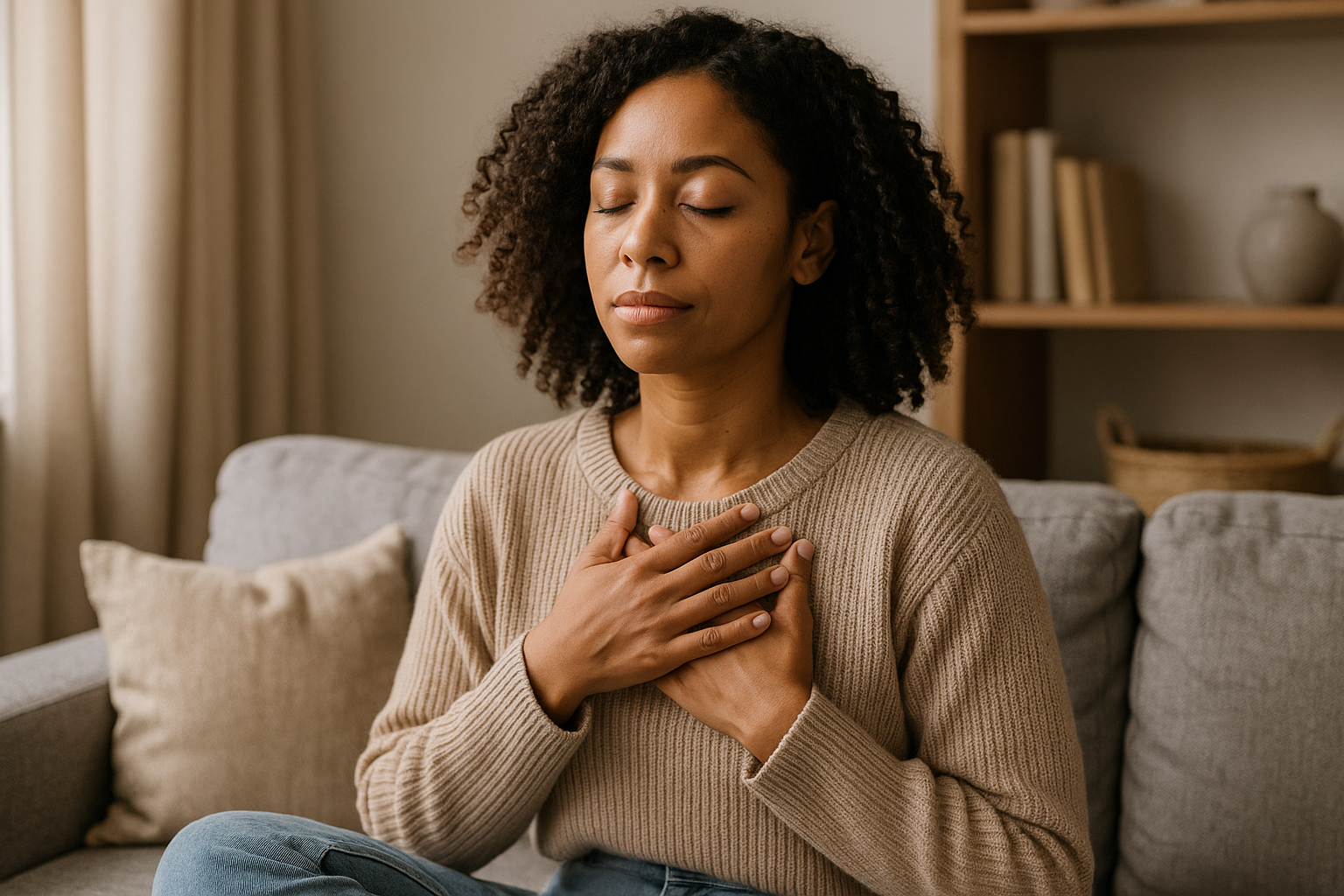
Between constant notifications, crowded schedules, expectations, and global stressors, protecting your peace can feel like an impossible mission. But peace isn’t something that appears when life finally calms down — it’s something you create, moment by moment, through boundaries, awareness, and intentional choices.
You can’t always control the world around you, but you can control how you respond to it. This article will show you how to protect your inner peace, even when the world feels chaotic, loud, or overwhelming.
What It Means to Protect Your Peace
Protecting your peace doesn’t mean avoiding life, ignoring responsibilities, or shutting out everyone around you. It means:
- Valuing your mental and emotional well-being
- Setting boundaries with intention
- Managing your time and energy wisely
- Choosing how and where to place your attention
- Responding rather than reacting
Peace is not the absence of noise — it’s the ability to stay grounded within it.
Why It’s Hard to Protect Peace (But Necessary)
Modern life is full of “peace stealers”:
- Social media comparison
- Overcommitment and people-pleasing
- Chronic busyness
- Information overload
- Drama and emotional manipulation
- Lack of boundaries
When we don’t protect our peace, we feel:
- Drained and unfocused
- Irritable and anxious
- Disconnected from ourselves
- Unable to enjoy the present
Peace is your foundation. Without it, everything else becomes harder.
1. Set Boundaries Without Apology
Boundaries are how you communicate what’s okay and what’s not — in relationships, at work, and in your time.
Examples:
- “I don’t check emails after 7 PM.”
- “I’m not available this weekend, I’m resting.”
- “I don’t engage in gossip.”
- “I need space right now.”
You don’t need to overexplain. A clear, respectful “no” is a complete sentence — and a powerful act of self-respect.
2. Limit Your Exposure to Toxic Inputs
You become what you consume — emotionally and mentally.
Ask yourself:
- What am I watching, reading, or listening to every day?
- Who am I spending the most time with?
- Does this content or person lift me up or drain me?
Curate your input:
- Unfollow negative or anxiety-inducing accounts
- Take breaks from the news
- Spend less time with drama-filled people
- Surround yourself with calm, kind, grounded energy
Protect your peace by guarding your inputs.
3. Schedule “Stillness Time” Daily
You don’t need a full day off to feel peace — just a few intentional minutes of stillness can reset your nervous system.
Try:
- Sitting in silence with your eyes closed
- Taking 5 slow, deep breaths
- Journaling your thoughts
- Drinking tea without distractions
- Watching nature for 10 minutes
This stillness doesn’t need to be productive — it just needs to be yours.
4. Disconnect to Reconnect
Phones, messages, and notifications keep our minds constantly buzzing. Protecting your peace means reclaiming your attention.
Set screen boundaries like:
- No phone for the first hour of the morning
- Social media breaks during the day
- Screen-free meals
- One hour offline before bed
You’ll feel more present, less reactive, and more connected to what truly matters.
5. Honor Your Energy Cycles
Your energy isn’t constant. Some days you’ll feel social and productive. Other days, you’ll need rest and solitude.
Protect your peace by listening to your natural rhythm, not forcing yourself to push through.
- Cancel plans when necessary
- Rest when your body says so
- Work in focused bursts, followed by real breaks
- Celebrate rest as much as effort
Your peace lives in alignment, not overextension.
6. Say No to Things That Don’t Serve You
Saying yes to everything means saying no to yourself.
You don’t owe anyone constant access to your time, energy, or attention — especially if it drains your peace.
Before you agree to something, ask:
- Does this align with my values?
- Do I actually have the energy for this?
- Am I doing this out of guilt or fear?
Saying “no” opens the door for more peace, purpose, and presence.
7. Create a Peace Ritual
Rituals are intentional actions that remind your nervous system it’s safe to relax.
Examples of peace rituals:
- Morning tea and journaling
- Lighting a candle while reading
- Stretching with soft music
- Evening walks without your phone
- Speaking affirmations aloud: “I protect my peace with ease.”
Repeat your ritual regularly so that peace becomes your baseline.
8. Choose Responses Over Reactions
When you react impulsively, you’re letting outside events control your inner state. Protecting your peace means creating space before you respond.
Next time something challenges you:
- Pause
- Take a breath
- Ask yourself: “Is this worth my energy?”
- Choose a grounded response — or walk away
That pause is where your power lives.
9. Practice Mindful Gratitude
Gratitude shifts your focus from what’s wrong to what’s right. It’s a natural peace amplifier.
Try this:
- At the end of the day, write 3 things you’re grateful for
- Say “thank you” to small moments throughout the day
- Pause to notice beauty: sunlight, a smile, a kind word
Gratitude grounds you in the present — where peace lives.
Final Thought: Peace Is Your Personal Power
Protecting your peace is not selfish. It’s how you stay strong, steady, and connected to who you really are.
It allows you to show up fully — without burning out, breaking down, or betraying your needs.
In a world that’s always moving, protecting your peace is a radical act of love.
You don’t need permission.
You don’t need to earn it.
You simply need to choose it — and return to it, again and again.
Peace is your power.
And you are allowed to protect it.